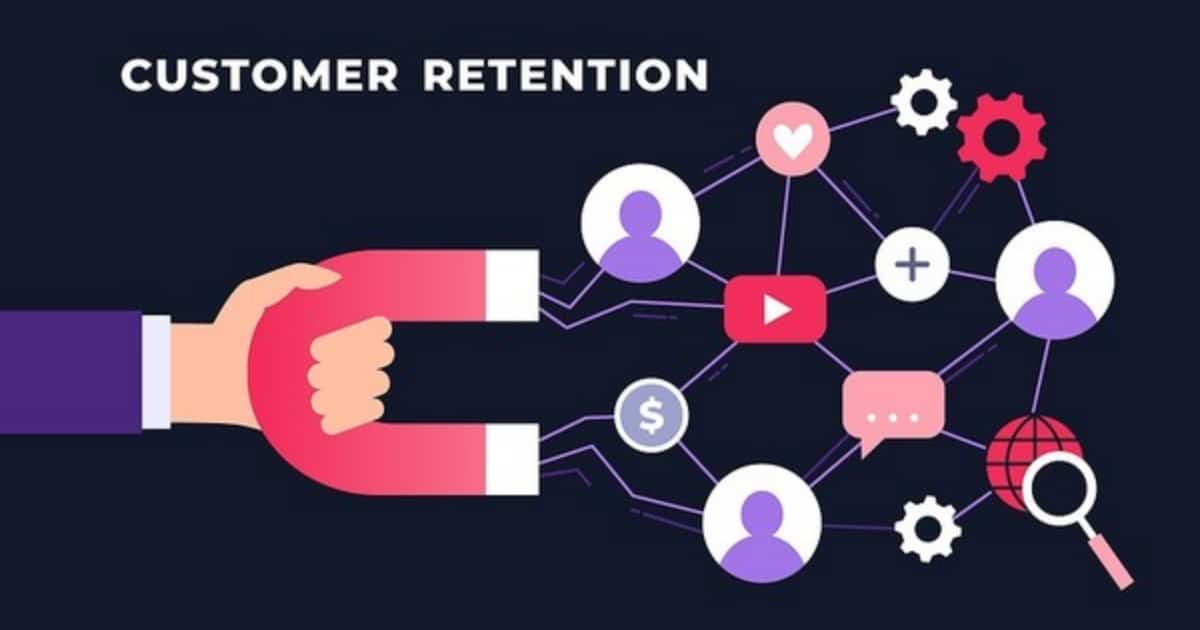
- Customer service (feel the love) is key to repeat or new product purchases for current customers.
- Transforming customers into “product loyalists” requires companies to invest in advocacy marketing, communications, and customer research and analytics.
- Beyond customer satisfaction, retention will drive the financial Customer Lifetime Value (CLV) – the amount of investment that a customer is expected to not only spend with you from a $$ perspective but also the customer time and referral energy.
Post-Purchase Focus: Customer Satisfaction
The period immediately following purchase can be a difficult time for consumers who may fall prey to a condition known as “buyer’s remorse.” The best way for brands to ensure that does not happen post-purchase is to have a strategy in place to understand customer satisfaction and give new customers support at this critical stage. Conversations with a sampling of customers should include questions such as:
- How was the purchase process for you?
- Were there any points in the purchase process that went more/less smoothly than you expected?
- What did you think of the onboarding process?
- Were any instructions that you received during the purchase and onboarding processes clear and understandable?
- Were your support options clearly explained?
- Were you satisfied with the support options provided?
- What can we do to help you succeed within the organization?
- Analytics help decode sentiment or intention in the case of buyer remorse, customer service questions, or during basic reviews. Contact centers are often the first responders to customer questions, providing tutorials, product guides, or just some simple advice. Equipping your contact center with technology that captures customer interactions and catalogs them for later analysis can help you develop more nuanced insights into customer sentiment at this stage.
- More proactive and personalized communications can be implemented to reach and check out satisfaction and possibly drive additional sales. Post-purchase survey tools, pop-ups questionnaires, and text messages can all be effective ways to prompt customer engagement and capture insights.
- CRM is a great tool to personalize purchase follow-up communications.
- Win-loss surveys aim at explaining the customer decision process.
| Customer attitudes | Company response | Insights |
| Buyer remorse | Return/exchange policies | Customer analytics, interviews |
| Questions | Customer service Contact Center or stores | Contact center analytics to decode customer sentiment and intentions |
| Reviews | Facilitation through website | Analytics, CROs, win-loss surveys |
| Online questions | Online support: tutorials, videos | CROs |
| Increased engagement, additional purchases | Outbound marketing, Customer service | CRM analyses |
| Additional purchases | Emails with discount | Email marketing metrics |
Retention Is the Long-Term Goal
It costs about five times more to acquire a new customer than to keep an existing customer. As a result, a successful retention strategy is expected to bring additional revenues and profits by:- Identifying potential advocates: Transforming customers into “product loyalists” requires companies to heavily invest in outbound marketing, communications, and customer analytics. According to Crazy Egg. 67% of customers stop using particular products or services when they feel they are not cared for. By contrast, effective outbound communications allow customers to advertise the product and become brand ambassadors.
- Cultivating efficient influencers: Influencer marketing aims at driving additional purchases by taking to the next level celebrity endorsement through their experts’ knowledge level or sphere of social influence.
Customer Advisory Boards (CABs) and Communities
Another key way in which qualitative research is helpful in the retention stage of the customer journey is in the development and use of customer advisory boards (CABs) or customer communities. A customer advisory board is a select group of customers who come together on a regularly scheduled basis to share insights and advice with an organization regarding a product or service and the brand associated with it. This group represents your most important customer persona’s and provides not only a feedback loop but a way to make them feel special so that they can be active advocates.
Similarly, brand communities are made up of customers who use a product or service and share their opinions with the brand regarding their experience with that product or service on a regular basis. Communities can be an effective strategy, but they are resource intensive to build, maintain and get the ROI. With a platform like Discuss.io, you can achieve the same outcomes in a more flexible, effective way.
Qualitative research can help brands discover what would motivate a customer to participate in a CAB or community, how to set up such a community to attract the right customers, what kind of information to research via a CAB or community, what kind of interactions to initiate with community members, and how often to engage with the community for best results. Armed with that knowledge, brands can build strong customer communities, which will both strengthen their retention strategies and infuse the voice of the customer more fully into their efforts organization-wide at the retention stage.