KEY TAKEAWAYS
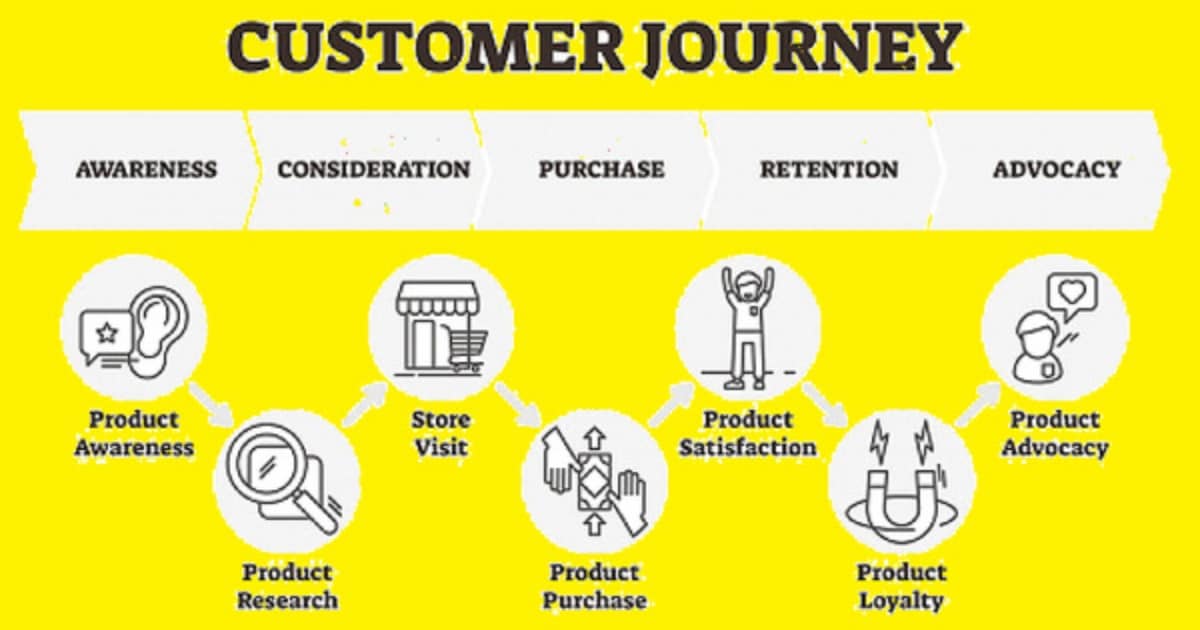
- Marketing demand generation programs that focus on generating interest or “leads” and transforming prospects into customers should be modified at each stage of the customer journey including the consideration stage to address the types of questions, concerns, and needs evident at that point of the solution assessment.
- Two-thirds of the touchpoints during the active evaluation/consideration phase involve consumer-driven activities such as internet reviews and word-of-mouth recommendations from friends and family.
- Interviews help marketers understand customer wants and needs and build a sales funnel that aligns with those needs.
Traditional Lead Generation Tools Provide Key Information about the Customer
Lead generation is the process of attracting and converting strangers and potential customers into prospects who show interest in a given company’s product or service. At the consideration stage, prospects include returning visitors to a website as well as interested parties that sign up to download specific information, participate in a webinar, or interact with content in some other way.- Webinars often offer more valuable leads than other, more traditional forms of online content (blog posts, infographics, etc.) as people are more likely to give their email to participate. Webinars increase participants’ trust while gauging their views and intent regarding the product and can also be a starting point for outreach tactics, which, in turn, strengthen the lead generation process.
- Blogs, videos, and infographics also educate their audiences while providing some information and follow-up potential to the seller. Several key metrics can be tracked, such as individual post views, social media shares, and link downloads. Any social activity around the blog accelerates its diffusion and impact.